
 ES
ES  EN
EN 
The New Reality: How Buyers Think and Decide
Before diving into the habits, here is a summary of what’s changed in the demo-selling world since 2023:
- AI / Generative AI Has Become Central:AI capability is now a must-have in most software buying decisions. In a 2025 Buyer Behavior Report, over two-thirds of respondents said AI capabilities are now actively considered for power users when selecting software. BBR 2025 Report, G2 Crowd
- Self-Guided and AI-Powered Demos: Instead of solely relying on live demonstrations, sales teams are increasingly turning to self-guided, AI-powered product experiences. For example, Demoboost enables buyers to explore interactive tours or ‘choose-your-own-journey’ demos on their own time, while embedding AI-driven narratives and analytics behind the scenes.
- Buying Teams are Larger & More Intentional: According to 6sense’s 2025 buyer experience report, B2B buying groups average 10+ people, and buyers often decide on their shortlist before contacting vendors. 6sense
- Economic Complexity & Pricing Pressure: Revenue intelligence data (Gong) shows that macroeconomic uncertainty, pricing negotiation, and deal complexity have increased since 2022–23.
- Remote / Hybrid Selling Is the Norm: Many sellers now operate in hybrid or remote models, and remote interactions continue to dominate.
- Longer, More Strategic Buying Cycles: Buyers are spending more time on ROI analysis, peer reviews, and research. B2B Buyer’s Report – Demand Gen
- Sustainability and Value Alignment: Según expert market research | Claight, sustainability is increasingly important in B2B purchase decisions.
In the light of these shifts, let’s revisit the original seven success factors and update them.
The 2026 Updates to the Seven Validated Success Factors in Demos
Key Success Factor 1: Pre-Demo Discovery

Then (2023): Discovery was often superficial. Many teams focused on basic qualification: Pain, Budget, Authority, Need, Timeline (BANT), rather than deep situational understanding.
Now (2026): Discovery is more critical than ever. With rising deal complexity, macroeconomic pressures, and larger buying committees, you must dig deeper. As Gong’s research shows, economic uncertainty is being discussed much more in sales conversations today. Gong
Implication: Surface-level discovery leads to broad, generic, feature-heavy demos that fail to resonate. You should uncover not just workflow pain, but financial context, AI-readiness, key stakeholders’ expectations, timing, and future value realization. This richer discovery maps to a more focused demo later. This enables a precise Situation Slide, a strong upside-down opening, persona-specific depth, and a Transition Vision tied to measurable value and timing. Deeper discovery transforms the demo from a presentation into a strategic, value-driven conversation that accelerates buying decisions.
Key Success Factor 2: A Crisp Review of the Prospect’s Situation (Situation Slides)
Then (2023): Situation Slides were effective for summarizing what you learned in discovery: customer goals, problems, specific capabilities, value, and timing.
Now (2026): These slides remain essential. Buyers now expect you to reflect not just tactical pain but strategic themes: AI adoption, sustainability priorities, cost constraints, and growth ambitions. Many buying teams in 2025-2026 are doing detailed ROI analyses before engaging deeply. B2B BUYER’S GUIDE – Demand Gen So your situation review should explicitly frame how the customer’s future state aligns with their AI, sustainability, and other goals.
Implication: Update your Situation Slides to articulate not only operational pain points, but also existential or long-term objectives:
- Roles & Stakeholders: Who participates in the decision, and what outcomes matter to them?
- Current State & Friction: What workflows, tools, or inefficiencies define their reality today?
- Business Drivers: What strategic initiatives (growth, automation, compliance, sustainability) are shaping the need for change?
- Budget Pressures & Constraints: How sensitive is the financial environment, and what level of ROI is required to justify action?
- Priority Use Cases: Which capabilities, outcomes, or problems must be demonstrated first to earn engagement?
- Value & ROI Expectations: How does the customer expect AI, automation, and efficiency gains to translate into measurable impact?
- Timing & Decision Milestones: What deadlines, renewal cycles, executive reviews, or go-live windows define urgency?
Key Success Factor 3: Do the Last Thing First (“Upside-Down Demo”)

Then (2023): Great Demo methodology taught to show the most valuable output first, rather than walking through base workflows.
Now (2026): This is even more important now. With larger buying committees and limited attention spans (especially in remote or hybrid settings), starting with the outcome, the “aha moment”, is non-negotiable. Revenue intelligence platforms agree that buyers want to see the payoff quickly, particularly stakeholders like VPs or executives.
Implication: Begin demos with your most compelling content: dashboards, key insights, AI-driven automation benefits, whatever resonates most with the buyer’s prioritized outcomes.
Key Success Factor 4: Inverted Pyramid

Then (2023): The order of demo content should follow what the customer cares about most, based on discovery.
Now (2026): That inverted pyramid structure remains the best way to manage time risk and engagement risk. But now, prioritization is more complex: topics like generative AI, security, sustainability, and long-term ROI may top the list, not just feature workflows. Modern demo platforms (including self-guided ones) allow customization based on buyer persona: AI components for CTOs, ROI for CFOs, usage flows for end users.
Implication: Re-evaluate what “most important” means for your prospect today. Use your discovery to reorder capabilities not just by pain, but by strategic themes (AI, value, security).
Key Success Factor 5: Peel Back the Layers (First Layer)
Then (2023): Encourage a conversation. Let prospects ask questions and don’t pre-answer everything. This avoids “premature elaboration.”
Now (2026): Two-way interaction is more expected than ever. Remote meetings, hybrid work, and self-serve tools make synchronous interaction more precious. Data from modern studies shows that long monologues are increasingly ineffective; buyers disengage quickly. Conversational AI (in your tools) can help simulate layering or dynamically respond to buyer questions but must be supplemented by human interaction.
Implication: Structure demos to invite questions early and often. Use prompts (“What do you want to see more deeply?”) but also leverage AI or intelligent demo platforms that adapt based on engagement.
Key Success Factor 6: Peel Back the Layers (Expanded / Persona-Driven)
Then (2023): You would tailor the depth of your demo based on the prospect group (execs, managers, users, admins).
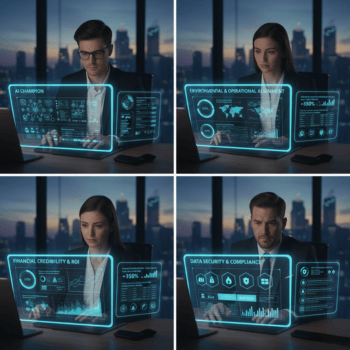
Now (2026): With diverse and larger buying groups, layering must be even more persona aware. In many deals, you now have AI champions, data teams, sustainability leads, security/compliance stakeholders, and execs involved. AI-enabled demo platforms like Demoboost help tailor content dynamically by persona: the system supports templates and variables that adjust the demo path in real time based on who is viewing or interacting. Remote/hybrid engagement means that not everyone experiences the same demo flow. Customizing for different personas becomes a critical skill.
Implication: Prepare multiple “layers”, not just based on role but based on strategic drivers (AI value, compliance, ROI). Use tools or pre-built modular demo content that can shift dynamically depending on who is in the room (or on the call).
Key Success Factor 7: Transition Vision
Then (2023): Transition Vision meant showing the customer how they move from “today’s pain” to post-implementation value, defining early Value Realization Events and a key go-live date.
Now (2026): Transition Vision is even more crucial. As buyers conduct more in-depth ROI analysis (B2B BUYER’S Survey – DemandGen) and sign larger, longer-term contracts, they need confidence that value will come early, especially in uncertain economic times. With AI adoption, early wins may include not just traditional ROI, but AI-driven automation, cost savings, or productivity gains. Furthermore, vendors are being judged not merely on feature delivery but on their ability to drive adoption and realized value (especially with AI). According to G2, buyers now buy because of AI functionality. research.g2.com
Implication: In your wrap-up, clearly articulate not only functional deployment milestones, but also strategic value milestones such as when customers will start to see AI ROI, automation-driven time-savings, or sustainability payoffs.
Updated Four Acts of the Demo (2026)
Given these shifts and latest success factors, here is a modernized script for your act:

Act 1: Contextual Overview: Transition Vision meant showing the customer how they move from “today’s pain” to post-implementation value, defining early Value Realization Events and a key go-live date.
Act 2: Upside-Down Demo: Reveal key outcomes first: automated insights, AI-driven feature, ROI dashboard.
Act 3: Accelerated Interaction: Use interactive tools and conversational formats; pause frequently for questions; ask for feedback and comments; adapt depth dynamically via AI or modular content.
Act 4: Wrap-Up & Transition Vision: Articulate a roadmap that links deployment, adoption, and measured value including early AI-driven wins.
Conclusión
The seven validated success factors from the original (2023) analysis remain deeply important. But as of 2026, the way you execute them must evolve. Buyers are smarter, more strategic, and more demanding. AI is now a core part of the conversation. Demo platforms are more sophisticated, and economic risk demands clarity on value and ROI. If you lean into these changes, integrating AI-aware discovery, self-guided demo technologies, layered persona-driven content, and a clear transition vision, your demos will not just be “good”; they will be stunningly successful in today’s Buyer-Led, AI-Driven market.
Copyright © 2025-26 Great Demo! – All Rights Reserved